
pexels-rdne-7104233 (1)

Best School Trips for Hands-On Learning in Science and Technology

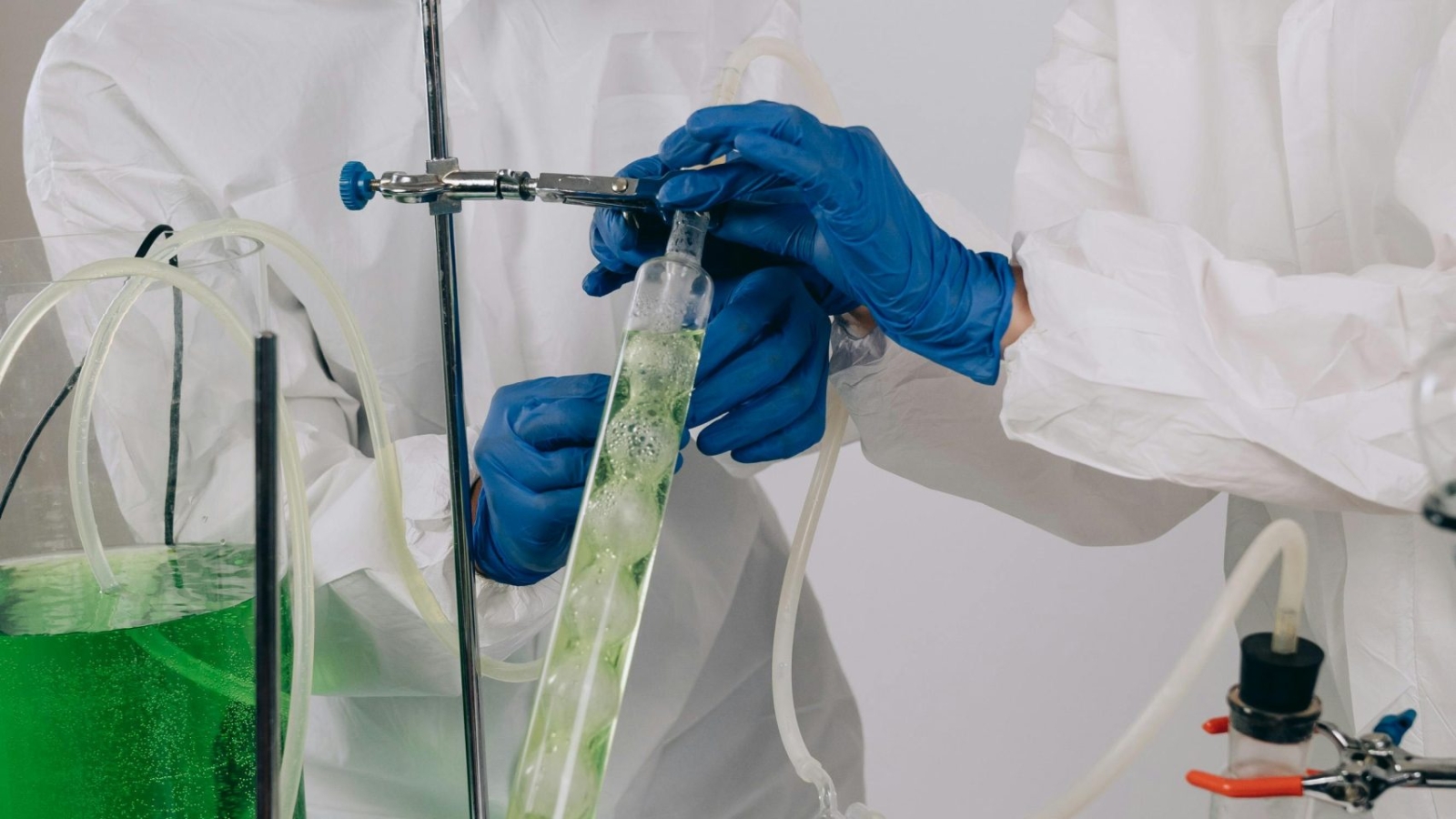
School trips provide a unique opportunity for students to experience hands-on learning outside the classroom, especially in subjects like science and technology. Instead of just reading about concepts in textbooks, students can engage in real-world applications that deepen their understanding of STEM (Science, Technology, Engineering, and Mathematics) subjects.

From interactive science centers to high-tech innovation hubs, let’s explore some of the best school trip destinations that bring science and technology to life.


1. Science Museums and Discovery Centers

Science museums and discovery centers offer interactive exhibits that make learning engaging and fun. These venues allow students to conduct experiments, test scientific theories, and witness physics and chemistry in action.

Why It’s Valuable:

  • Hands-on exhibits help students grasp complex scientific concepts.
  • Live demonstrations, such as chemistry experiments or physics shows, make learning more dynamic.
  • Exposure to real-world applications of science sparks curiosity and innovation.

Example Destinations:

  • Sci-Bono Discovery Centre (Johannesburg, South Africa)
  • Cape Town Science Centre
  • The Exploratorium (San Francisco, USA)

2. Planetariums and Space Centers

For students fascinated by space exploration, planetariums and space centers offer an unforgettable learning experience. They provide interactive simulations, telescope viewings, and insights into astronomy and space science.

Why It’s Valuable:

  • Students learn about planetary systems, black holes, and space missions.
  • Real-time simulations allow students to “travel” through space.
  • It encourages interest in careers like astrophysics, engineering, and space exploration.

Example Destinations:

  • Iziko Planetarium (Cape Town)
  • South African Astronomical Observatory
  • NASA’s Kennedy Space Center (USA)

3. Environmental and Conservation Centers

Environmental science comes to life when students visit conservation areas, research centers, or marine biology labs. These trips teach students about sustainability, ecosystems, and the importance of preserving natural resources.

Why It’s Valuable:

  • Hands-on ecological research enhances understanding of biodiversity.
  • Students can participate in activities like water testing, wildlife monitoring, and sustainable farming.
  • It raises awareness of environmental issues and inspires future conservationists.

Example Destinations:

  • Two Oceans Aquarium (Cape Town)
  • Kruger National Park Wildlife Research Tours
  • iSimangaliso Wetland Park (KwaZulu-Natal)

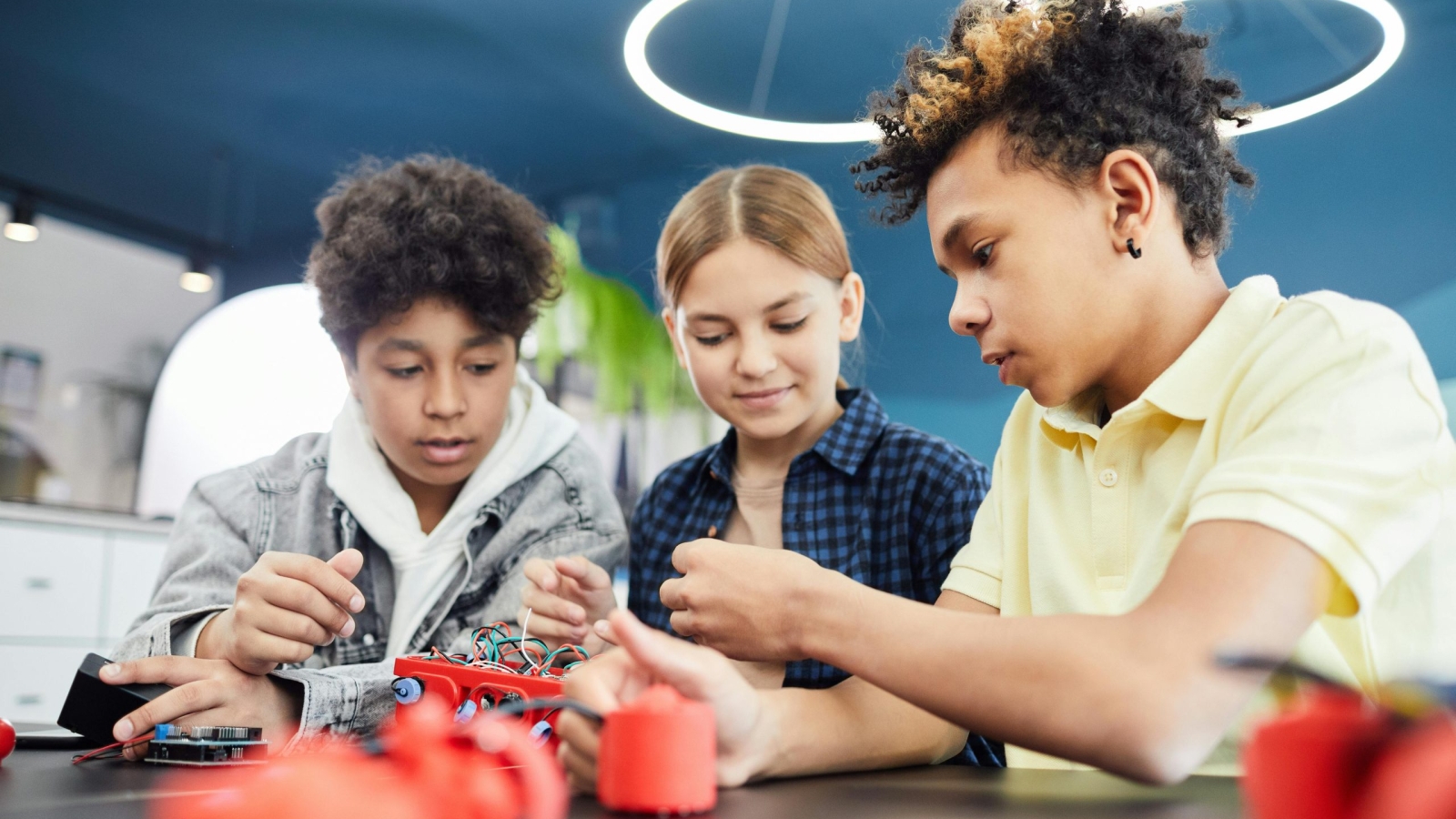
4. Engineering and Robotics Labs

For students interested in technology and innovation, trips to engineering labs, robotics workshops, or high-tech innovation hubs provide a firsthand look at how machines and AI shape the world.

Why It’s Valuable:

  • Students engage in coding and robotics challenges.
  • Exposure to cutting-edge technologies like AI, 3D printing, and automation.
  • Encourages problem-solving, creativity, and teamwork in STEM projects.

Example Destinations:

  • The Centre for High Performance Computing (South Africa)
  • Local universities with robotics and engineering programs
  • Companies specializing in AI and automation technology

5. Agricultural and Biotechnology Research Centers

Biotechnology plays a crucial role in food production, medicine, and environmental sustainability. Visiting agricultural research facilities or biotech labs helps students understand how science impacts everyday life.

Why It’s Valuable:

  • Hands-on experiments with plant genetics, soil health, and microbiology.
  • Understanding modern farming techniques and food production.
  • Exposure to careers in biotechnology and agricultural science.

Example Destinations:

  • Agricultural Research Council (South Africa)
  • Local farms with sustainable agricultural programs
  • Medical biotechnology laboratories

Conclusion: Making Science and Technology Come Alive

School trips that focus on science and technology provide students with hands-on learning experiences that deepen their understanding and spark curiosity. Whether exploring space, engaging in environmental research, or experimenting in a robotics lab, these trips help students connect theoretical knowledge with real-world applications.

For schools looking to plan an exciting STEM-focused field trip, OEEA offers expert planning and booking services. Visit OEEA.co.za to explore top destinations for hands-on learning! 🚀


pexels-fauxels-3184432

How School Trips Promote Teamwork and Social Skills

School trips are more than just a break from the classroom—they provide valuable opportunities for students to develop teamwork, communication, and social skills. By stepping out of their usual environment and engaging in group-based activities, students learn how to collaborate, solve problems together, and navigate new social situations.

Let’s explore how school trips help students build these essential life skills.


1. Encouraging Collaboration Through Shared Experiences

One of the biggest benefits of school trips is that they place students in real-world situations where teamwork is necessary. Whether they are exploring a museum exhibit, completing a nature scavenger hunt, or participating in a science experiment, students must work together to achieve common goals.

  • Group Problem-Solving: Activities such as treasure hunts in historical sites or environmental conservation projects require students to think collectively and strategize.
  • Supporting One Another: Students learn to rely on their peers, whether it’s navigating a new place or helping each other complete a task.

By working together, students develop a sense of camaraderie that carries over into the classroom, improving overall teamwork and cooperation.


2. Strengthening Communication Skills

Effective communication is a key component of teamwork, and school trips provide plenty of opportunities for students to practice it.

  • Listening and Expressing Ideas: Whether discussing a tour guide’s presentation or planning a group activity, students must listen carefully and share their thoughts clearly.
  • Non-Verbal Communication: Navigating a new environment often requires students to observe body language, facial expressions, and social cues.
  • Asking Questions: Interacting with experts, such as park rangers, museum curators, or business professionals, encourages students to articulate their questions and engage in meaningful conversations.

These experiences help students build confidence in expressing themselves, a skill that benefits them academically and socially.


3. Building Leadership and Responsibility

School trips naturally create opportunities for students to take on leadership roles and develop responsibility.

  • Leading Small Groups: Teachers often assign students to small teams, allowing them to take turns as group leaders and practice guiding discussions or decisions.
  • Taking Initiative: Some trips encourage students to take charge of tasks, such as planning parts of the itinerary, managing their time, or helping younger classmates.
  • Accountability: Being responsible for their belongings, following trip guidelines, and looking out for their peers teaches students independence and self-discipline.

Students who develop leadership skills during field trips often bring that confidence back to the classroom, where they become more proactive learners.


4. Enhancing Emotional Intelligence and Social Awareness

Field trips expose students to new people, cultures, and environments, helping them develop emotional intelligence and social awareness.

  • Understanding Different Perspectives: Visiting historical sites, cultural centers, or community projects helps students appreciate diverse viewpoints.
  • Developing Empathy: Engaging with people from different backgrounds fosters a deeper understanding of social issues and the importance of inclusivity.
  • Managing Emotions in New Situations: Being in unfamiliar places can challenge students to adapt, manage excitement or anxiety, and support one another.

These experiences help students become more socially aware and better equipped to navigate complex social situations in school and beyond.


5. Strengthening Friendships and Classroom Bonds

One of the most memorable aspects of school trips is the friendships that are built or strengthened along the way. Spending time together outside of the school setting allows students to connect in new ways, forming deeper bonds.

  • Breaking Social Barriers: Students who don’t usually interact in class may find common ground during trips, leading to new friendships.
  • Creating Shared Memories: Fun and exciting experiences—like hiking through a nature reserve or exploring a science center—become lasting memories that strengthen relationships.
  • Boosting Classroom Cohesion: When students return from a trip, they often feel a stronger sense of connection, leading to better collaboration in group projects and discussions.

A more connected and supportive classroom environment ultimately enhances learning and student well-being.


Conclusion: Why School Trips Are Essential for Social Growth

School trips provide students with opportunities to develop teamwork, communication, leadership, and social awareness—skills that are just as important as academic knowledge. By working together in real-world settings, students learn to collaborate effectively, build confidence, and form lasting friendships.

Educators should continue to prioritize well-structured trips that encourage social interaction and teamwork, ensuring that students gain valuable life skills beyond the classroom.

Would you like to plan a school trip that fosters teamwork and social growth? Visit OEEA.co.za to explore exciting school trip options! 🚀

pexels-tara-winstead-7722914

The Science of School Trips: How Travel Enhances Learning

Field trips have long been a staple of education, providing students with experiences beyond the classroom. But why are they so effective? Research shows that travel-based learning improves engagement, enhances memory retention, and fosters deeper understanding of subjects. In short, school trips are more than just a break from routine—they are powerful tools that stimulate cognitive and emotional growth.

Let’s explore the science behind why school trips are essential for student learning.


1. How Travel Stimulates the Brain

Studies in neuroscience have shown that new experiences activate multiple areas of the brain, strengthening memory and learning. When students visit a new location, their brains process information differently than when they learn from a textbook or lecture.

  • Multisensory Learning: Seeing, hearing, touching, and even smelling aspects of a new environment engage multiple senses, helping students retain information more effectively.
  • Dopamine and Engagement: Novel experiences trigger the release of dopamine, a neurotransmitter associated with motivation and learning, making students more receptive to new information.

For example, a student reading about marine life in a textbook may retain some facts, but visiting an aquarium and observing live sea creatures makes the knowledge far more memorable.


2. Strengthening Memory Through Experience

Cognitive research shows that experiences form stronger and longer-lasting memories than passive learning. This is due to a phenomenon called experiential learning, where students absorb information through direct interaction with their environment.

  • When students explore a historical site, they connect facts with physical locations, making history more tangible.
  • Science field trips allow students to conduct hands-on experiments, reinforcing abstract concepts through real-world application.

A study by the University of Arkansas found that students who participated in museum visits demonstrated stronger critical thinking skills, improved retention of factual knowledge, and a greater appreciation for art and culture compared to their peers who did not go on trips.


3. Enhancing Problem-Solving and Critical Thinking

Field trips challenge students to think on their feet and adapt to new situations, which fosters critical thinking and problem-solving skills.

  • Decision-Making: Navigating an unfamiliar environment encourages students to make decisions, whether it’s reading a map or managing their time effectively.
  • Analyzing Real-World Problems: Trips to science centers, nature reserves, or historical sites expose students to real-world issues, prompting discussions about solutions and consequences.

For instance, a visit to a nature conservation center might inspire students to think about environmental sustainability and brainstorm ways to protect natural habitats.


4. Boosting Social and Emotional Learning

Education isn’t just about academic knowledge; it’s also about developing interpersonal and emotional skills. School trips provide a unique setting for students to build confidence, teamwork, and communication skills.

  • Collaboration: Group activities during trips promote teamwork, as students work together to solve challenges.
  • Independence: Being outside their usual classroom environment encourages students to take responsibility for their learning and behavior.
  • Empathy and Cultural Awareness: Exposure to new communities, cultures, or historical perspectives helps students develop empathy and a broader worldview.

According to a study by the Education Endowment Foundation, students who engage in learning outside the classroom show improved social skills and higher motivation levels when they return to school.


5. Bridging the Gap Between Theory and Practice

One of the biggest challenges in education is ensuring that students understand how classroom lessons apply to real-world scenarios. Field trips provide this essential connection.

  • Math in Action: A visit to a financial institution or a marketplace can show students how mathematical concepts are used in budgeting and economics.
  • Science in the Real World: A trip to a renewable energy facility demonstrates how physics and engineering principles are applied in sustainability efforts.
  • History Comes Alive: Exploring historical landmarks allows students to walk through the past rather than just reading about it.

By seeing these concepts in action, students are more likely to appreciate their relevance and remember them long-term.


Final Thoughts: Why School Trips Should Be a Priority

While traditional classroom learning is essential, school trips offer unique benefits that textbooks and lectures cannot replicate. They engage students in hands-on learning, strengthen memory, develop critical thinking, and enhance social skills.

Schools should continue to prioritize well-planned trips that align with curriculum goals, ensuring students gain both academic knowledge and real-world experience. After all, learning doesn’t just happen in a classroom—it happens everywhere.

Would you like help planning an engaging and educational school trip? Visit OEEA.co.za to explore a range of options designed to bring learning to life. 🚀

pexels-anastasia-shuraeva-6978768

Why School Trips Are the Ultimate Tool for Hands-On Learning

In an age where digital tools and virtual experiences dominate education, school trips remain an unparalleled way to bring learning to life. They provide students with the opportunity to engage with the world around them, fostering deeper understanding and sparking curiosity through hands-on experiences.

Here’s why school trips are essential for students and how they bridge the gap between classroom theory and real-world practice.


1. Making Abstract Concepts Tangible

Some subjects can feel distant or abstract when taught in a classroom. School trips allow students to see, touch, and interact with the concepts they’ve been studying.

  • Science lessons come alive in a nature reserve, where students can observe ecosystems firsthand.
  • History classes are enriched by visits to museums or heritage sites, where students can explore artifacts and historical landmarks.

This hands-on approach makes lessons more memorable and engaging, helping students retain information better.


2. Encouraging Active Participation

Learning through doing is one of the most effective educational methods. On a school trip, students aren’t just passive observers; they actively participate in activities that enhance their understanding.

  • In a museum, students might engage with interactive exhibits.
  • At a science center, they might conduct experiments or participate in workshops.

This active involvement fosters critical thinking and problem-solving skills, giving students a sense of ownership over their learning.


3. Building Connections Between Subjects

School trips often combine elements of multiple subjects, helping students see how knowledge is interconnected. For example:

  • A trip to a botanical garden might involve biology (plant species), geography (ecosystems), and art (sketching landscapes).
  • A visit to a historical site can tie together history, literature, and sociology.

These cross-disciplinary connections give students a holistic perspective on the topics they study.


4. Enhancing Social and Emotional Learning

Beyond academics, school trips provide valuable opportunities for students to develop social and emotional skills.

  • Teamwork: Collaborative activities during trips encourage students to work together, share ideas, and support one another.
  • Independence: Navigating new environments helps students build confidence and self-reliance.
  • Empathy: Exposure to different cultures, communities, or environments fosters understanding and respect for diversity.

These skills are critical for personal growth and future success.


5. Inspiring a Lifelong Love for Learning

One of the most profound impacts of school trips is their ability to ignite a passion for learning. When students step outside the classroom and experience the real world, they often develop new interests and aspirations.

  • A visit to a planetarium might inspire a love for astronomy.
  • A trip to an art gallery could spark a creative passion for painting or sculpture.

These experiences broaden students’ horizons and encourage them to explore new possibilities.


Practical Tips for Planning a Successful School Trip

  • Set Clear Objectives: Decide what you want students to learn or achieve during the trip.
  • Choose the Right Destination: Select locations that align with your curriculum and offer hands-on experiences.
  • Engage Students in Pre-Trip Preparation: Provide background knowledge or assignments to enhance their understanding of the trip’s purpose.
  • Follow Up: Plan post-trip activities to reinforce what students learned and encourage reflection.

Conclusion

School trips are more than just a break from routine—they’re a vital part of modern education. By taking students out of the classroom and into the real world, these experiences provide opportunities for hands-on learning that inspire curiosity, foster critical thinking, and enhance personal growth.

Whether it’s exploring nature, diving into history, or engaging with science and technology, school trips are an investment in a student’s academic and personal development. They offer a powerful reminder that the best learning often happens when we step out and experience the world firsthand.

pexels-yankrukov-8617636

How School Trips Help Build Confidence and Independence in Students

School trips are more than just a break from the classroom—they are opportunities for students to develop important life skills, such as confidence and independence. Stepping out of familiar environments into new experiences allows students to grow socially, emotionally, and academically.

Let’s explore how school trips play a key role in shaping these essential traits in students.


The Role of School Trips in Building Confidence

1. Facing New Challenges

Whether it’s navigating a museum exhibit, participating in a group activity, or trying something completely new, school trips push students out of their comfort zones. Each small success builds their confidence in their abilities.

2. Social Interaction

Being in a new setting encourages students to communicate and collaborate with peers outside their usual social circles. This helps improve teamwork, communication skills, and self-assurance in social situations.

3. Developing Decision-Making Skills

From managing their belongings to following a schedule, school trips give students a chance to make decisions and take responsibility for their actions. This fosters a sense of independence and self-reliance.


Encouraging Independence Through Field Trips

1. Experiencing New Environments

Traveling to a different location exposes students to unfamiliar surroundings. Whether it’s a bustling city, a historical site, or a natural reserve, these experiences teach students to adapt and thrive in new settings.

2. Taking Ownership of Learning

On a field trip, students are active participants in their learning. Exploring exhibits, asking questions, and engaging in activities puts them in charge of their educational experience, encouraging independent thinking.

3. Managing Time and Responsibilities

Students often need to manage their time during a trip, such as knowing when to meet their group or how to make the most of their time at a destination. These small responsibilities contribute to building independence.


Destinations That Foster Growth

Certain types of trips are particularly effective at promoting confidence and independence:

  • Outdoor Adventures: Activities like hiking, team-building exercises, or exploring nature reserves challenge students physically and mentally.
  • Cultural and Historical Visits: Trips to museums, historical sites, or cultural centers expose students to new perspectives and encourage curiosity.
  • STEM-Focused Destinations: Visits to science centers, technology hubs, or engineering sites allow students to engage with problem-solving activities that boost critical thinking.

How Educators Can Support This Growth

  1. Prepare Students Beforehand: Provide students with an itinerary and discuss expectations to help them feel prepared.
  2. Encourage Participation: Motivate all students to step out of their comfort zones and try new experiences.
  3. Reflect on the Experience: After the trip, facilitate discussions or activities where students can share what they learned and how they grew.

Conclusion

School trips are about more than just learning—they’re opportunities for students to build confidence, gain independence, and develop life skills. These experiences shape well-rounded individuals who are ready to tackle challenges both inside and outside the classroom.

By carefully planning trips that encourage growth, educators can provide students with memories and skills that last a lifetime.

pexels-vanessa-loring-7869041

The Growing Trend of STEM-Focused School Trips

As education evolves to meet the demands of a rapidly changing world, schools are placing a stronger emphasis on science, technology, engineering, and mathematics (STEM). One exciting way to bring STEM to life is through field trips that immerse students in real-world applications of these subjects. STEM-focused school trips are not just a trend—they’re a transformative learning opportunity.


Why Are STEM-Focused Trips Important?

1. Hands-On Learning

STEM trips provide students with opportunities to engage in hands-on activities, from building robots to conducting experiments in a professional lab. These experiences go beyond textbooks, helping students understand complex concepts through practical application.

2. Inspiring Future Careers

Exposure to STEM industries during field trips can ignite a passion for future careers in these fields. A visit to a technology hub or an engineering firm can open students’ eyes to exciting possibilities they may not have considered.

3. Encouraging Problem-Solving and Innovation

STEM trips often involve interactive challenges that require students to think critically, collaborate, and innovate. Whether they’re designing a solution to an environmental issue or programming a simple robot, these activities build essential 21st-century skills.


Top STEM-Focused Destinations for Schools

1. Science Centers and Museums

Destinations like interactive science museums offer exhibits on topics ranging from space exploration to renewable energy. Many centers also host workshops where students can experiment and learn in a fun, engaging environment.

2. Technology Hubs and Maker Spaces

Trips to tech hubs or maker spaces give students a glimpse into the world of innovation. They can learn coding basics, 3D printing, or even participate in workshops on artificial intelligence.

3. Engineering Sites

Visits to engineering firms, construction sites, or factories allow students to see how engineering principles shape the world around them. Guided tours often highlight real-world applications of math and physics.

4. Environmental Science Destinations

STEM is not just about gadgets—it’s also about understanding the planet. Nature reserves, eco-parks, or renewable energy plants offer insights into sustainable technologies and conservation efforts.


Conclusion

STEM-focused school trips are more than just a day away from the classroom—they’re an investment in the future of education. These trips help students connect what they learn in school to the world around them, sparking curiosity, innovation, and a passion for discovery.

By incorporating STEM trips into the school calendar, educators can inspire the next generation of scientists, engineers, and innovators.

pexels-pavel-danilyuk-8423008

Why Customizing School Trips Leads to Better Learning Outcomes

School trips have long been a valuable part of education, providing students with experiences that go beyond the classroom. But what makes some school trips more impactful than others? The key often lies in customization—tailoring trips to align with students’ needs, interests, and educational goals.

A well-planned, customized trip can transform a simple outing into a deeply enriching experience, sparking curiosity, engagement, and meaningful learning.


The Advantages of Customizing School Trips

1. Increased Engagement and Interest

When trips are designed with students’ interests in mind, they become more than just a day away from school—they turn into opportunities for active participation and enthusiasm. Whether it’s exploring a favorite subject or engaging in hands-on activities, a customized trip keeps students involved and excited.

2. Connection to Classroom Learning

Tailored school trips can be directly aligned with what students are learning in the classroom. For example, visiting a science center during a physics unit allows students to see concepts like motion and energy in action. This connection reinforces classroom lessons and provides real-world context.

3. Inclusivity for Diverse Learners

Customization ensures that trips are accessible and engaging for all students, including those with different learning styles or special needs. By planning activities that cater to a variety of interests and abilities, educators can create an inclusive experience where every student feels involved.

4. Focused Learning Opportunities

Unlike generic trips, customized outings allow for deeper exploration of specific topics or themes. A class studying marine biology, for instance, could benefit from a focused trip to an aquarium with opportunities to interact with marine life and scientists.

5. Memorable and Inspiring Experiences

Trips that are personalized to students’ interests leave a lasting impact. These experiences not only help students retain knowledge but also inspire them to explore subjects further, fostering a lifelong love of learning.


Examples of Customizable School Trips

  • STEM-Focused Trips:
    Destinations like science centers, robotics labs, and planetariums can include interactive workshops, experiments, and demonstrations that bring science and technology to life.
  • Historical and Cultural Outings:
    Visits to historical landmarks, museums, or cultural festivals offer tailored learning opportunities, such as focusing on specific historical events or exploring artistic traditions.
  • Nature and Environmental Explorations:
    Field trips to nature reserves or eco-parks can include activities like guided nature walks, wildlife observation, and sustainability projects.

Tips for Planning a Customized School Trip

  1. Identify Learning Objectives: Start by defining what you want students to gain from the trip.
  2. Engage Students in the Process: Ask students for their input to ensure the trip reflects their interests and goals.
  3. Consider Logistics: Choose destinations and activities that are age-appropriate, accessible, and align with your budget.
  4. Prepare Beforehand: Provide students with background information and set expectations to maximize learning.
  5. Incorporate Reflection: After the trip, encourage students to share what they learned through discussions or creative projects.

Conclusion

Customizing school trips is a powerful way to make learning experiences more meaningful and impactful. By tailoring trips to align with educational goals and student interests, educators can create opportunities that inspire curiosity, foster engagement, and deepen understanding.

When planning your next school trip, consider how a personalized approach can turn an ordinary outing into an extraordinary learning adventure.

pexels-cottonbro-9291043

The Role of Field Trips in Enhancing Real-World Skills

Field trips are more than just a fun few days away from school—they’re an opportunity for students to develop critical real-world skills. These excursions allow students to step outside the classroom, encounter new environments, and engage in practical learning that prepares them for life beyond school.

In this blog, we’ll discuss the real-world skills that field trips foster, highlight specific types of trips that cultivate these abilities, and provide tips for maximizing their impact.


Key Real-World Skills Developed Through Field Trips

  1. Critical Thinking
    • Field trips often present real-world problems for students to solve, whether it’s decoding a historical mystery at a museum or understanding ecosystems on a nature walk. These experiences help sharpen analytical skills and encourage thoughtful decision-making.
  2. Communication and Collaboration
    • Group activities during trips require students to work together, share ideas, and communicate effectively to achieve goals, fostering teamwork and interpersonal skills.
  3. Adaptability
    • Exploring unfamiliar environments encourages students to adapt to new situations and navigate challenges, a crucial skill for future academic, professional, and personal success.
  4. Time and Task Management
    • With limited time to explore a site or complete a project, students learn how to manage their schedules and prioritize tasks effectively.
  5. Cultural Competence
    • Visits to cultural centers or diverse communities expose students to new perspectives, helping them develop empathy, understanding, and the ability to connect with people from different backgrounds.

Best Field Trips for Real-World Skill Development

  1. Outdoor Survival Courses
    • Skills Developed: Problem-solving, adaptability, teamwork.
    • Example Activities: Learning to navigate trails, building shelters, or identifying plants.
  2. Local Businesses and Factories
    • Skills Developed: Communication, time management, and career exploration.
    • Example Activities: Touring manufacturing plants, meeting professionals, or understanding production processes.
  3. Cultural Immersion Experiences
    • Skills Developed: Cultural competence, empathy, and open-mindedness.
    • Example Activities: Visiting cultural festivals, heritage museums, or community organizations.
  4. Environmental Conservation Projects
    • Skills Developed: Leadership, collaboration, and ecological responsibility.
    • Example Activities: Beach clean-ups, tree planting, or wildlife monitoring.
  5. Professional Art Studios or Maker Spaces
    • Skills Developed: Creativity, collaboration, and practical problem-solving.
    • Example Activities: Participating in art workshops, learning about 3D printing, or engaging in design challenges.

Tips for Maximizing Skill Development on Field Trips

  1. Set Clear Goals: Determine the specific skills you want students to develop and choose destinations that align with these objectives.
  2. Incorporate Group Tasks: Design activities that require teamwork and active participation to build collaboration and communication skills.
  3. Encourage Reflection: Have students discuss or journal about what they learned, emphasizing how they can apply these skills in real-world scenarios.
  4. Provide Context: Before the trip, offer background information and explain how the activities connect to broader life skills.
  5. Follow Up with Action: Encourage students to use the skills they learned in post-trip projects or real-life applications.

Conclusion

Field trips play a vital role in preparing students for the challenges of the real world. By fostering critical thinking, adaptability, collaboration, and cultural understanding, these experiences equip students with skills they’ll use for a lifetime.

When planning your next field trip, consider how the destination and activities can contribute to the development of these essential skills. With the right approach, a single day outside the classroom can have a lasting impact on students’ growth and future success.


pexels-minan1398-853168

Field Trips and Social Skills: How Travel Teaches Teamwork

Field trips aren’t just about academic learning—they’re also a prime opportunity to foster social skills and teach students the importance of teamwork. Through group activities and collaborative tasks, field trips encourage students to work together, communicate effectively, and navigate challenges as a team. In this post, we’ll look at how school trips help students develop these essential interpersonal skills and why teamwork is such a valuable part of the field trip experience.

Why Social Skills Matter in Education

Social skills play a key role in education, shaping students into well-rounded individuals prepared to work and collaborate in diverse settings. Field trips create an ideal environment for students to build these skills by encouraging them to step out of their comfort zones and interact with classmates in new ways. Working with others on group tasks or exploring new environments together fosters patience, empathy, and adaptability—all critical for their future social and professional lives.

How Field Trips Encourage Teamwork and Social Interaction

On a field trip, students often encounter situations that require them to collaborate and communicate effectively. Here are some ways field trips encourage teamwork and develop social skills:

  • Cooperative Problem-Solving: Many field trip locations offer group activities, such as scavenger hunts or team challenges, that require students to work together to achieve a common goal. By brainstorming, dividing tasks, and listening to each other’s ideas, students learn the value of teamwork and the importance of diverse perspectives.
  • Peer Learning: Field trips create opportunities for peer-to-peer learning, where students can share knowledge and help each other understand new concepts. For example, on a trip to a historical site, students may divide into groups to research different aspects of the location and share their findings with the class, enhancing communication and confidence.
  • Role Assignments: Assigning students roles in group activities, such as note-taker, photographer, or group leader, helps each student take responsibility and contribute to the group’s success. These roles teach accountability and allow students to develop leadership qualities.

Activities That Build Social Skills on Field Trips

To maximize the social benefits of a field trip, teachers can incorporate activities that promote teamwork, communication, and empathy. Here are a few ideas:

  1. Group Scavenger Hunts
    • Purpose: These scavenger hunts require students to work as a team, dividing tasks and sharing ideas to find the items or answers on their list. This helps students practice cooperation and communication skills.
  2. Interactive Group Discussions
    • Purpose: After each part of the trip, encourage students to share their thoughts and reflections with their group. This fosters active listening, empathy, and respect for differing perspectives.
  3. Team-Building Challenges
    • Purpose: Some locations, such as outdoor adventure centers, offer structured team-building activities. These can include obstacle courses, problem-solving puzzles, or collaborative art projects that emphasize working together toward a common goal.
  4. Journaling and Reflection
    • Purpose: Have students write about what they learned from their classmates or the group dynamics of the trip. Reflecting on social interactions helps them process their experiences and recognize the value of teamwork.

Tips for Teachers: Maximizing Social Learning on Field Trips

To ensure students make the most of their social interactions, teachers can use these strategies:

  • Set Group Norms: Before the trip, establish norms for respectful communication, active listening, and cooperation. Reinforce the importance of being inclusive and open to others’ ideas.
  • Encourage Collaboration, Not Competition: Focus on group activities that promote collaboration rather than competition. Emphasize that the goal is to work together rather than win or outperform others.
  • Reflect and Discuss After the Trip: Once back in the classroom, hold a group discussion where students can share what they learned about teamwork. This reflection helps reinforce the value of social skills and allows students to celebrate their accomplishments as a team.

The Lasting Impact of Teamwork on Field Trips

Field trips give students the opportunity to practice the essential skills of teamwork, communication, and adaptability. These experiences often have a lasting impact, helping students carry the lessons of collaboration and empathy into their everyday lives. By participating in group activities, listening to classmates, and working toward common goals, students gain more than just academic knowledge—they develop the social skills that will support them in all areas of life.

pexels-mikhail-nilov-9243572

The Importance of Field Trips in STEM Education

STEM education is all about hands-on learning and real-world problem-solving, making field trips a perfect complement to classroom instruction. Field trips to places like science museums, technology centers, and engineering labs give students the chance to interact directly with STEM concepts, deepening their understanding and sparking curiosity.

In this post, we’ll explore the unique ways field trips enhance STEM education, allowing students to experiment, observe, and engage with science, technology, engineering, and math in practical, exciting ways.

Why Field Trips are Vital for STEM Learning

Field trips provide a level of engagement that traditional classroom settings often struggle to replicate. By taking students to environments filled with interactive exhibits, live demonstrations, and cutting-edge technology, field trips make STEM concepts more accessible and memorable.

Some of the key benefits include:

  • Experiential Learning: Engaging directly with STEM tools and environments makes abstract concepts concrete. For example, watching a robot in action or observing chemical reactions firsthand helps students understand complex processes that are hard to visualize in a classroom setting.
  • Inspiration and Curiosity: Field trips expose students to fields and professions they may not have considered, from data science to renewable energy. This exposure often inspires students to pursue STEM-related studies and careers, particularly in areas they didn’t know existed.
  • Practical Problem-Solving Skills: Field trips focused on STEM emphasize problem-solving and critical thinking. Many locations offer guided activities or challenges where students must use logic, math, or engineering skills to complete tasks, which reinforces practical applications of their learning.

Ideal STEM Field Trip Destinations

Here are some excellent field trip ideas to enrich STEM learning, each designed to make science, technology, engineering, and math tangible and fun:

  1. Science Museums
    • What They Offer: With interactive exhibits, science museums provide hands-on activities that help students learn about everything from physics and chemistry to biology and astronomy.
    • Examples of Learning Activities: Students can experiment with circuits, explore the human body, or interact with physics-based games. These activities engage them directly in scientific concepts, fostering deeper understanding and retention.
  2. Technology Centers and Innovation Labs
    • What They Offer: These centers expose students to the latest technological advances in fields like robotics, artificial intelligence, and software development.
    • Examples of Learning Activities: Students can interact with robots, explore virtual reality, or participate in coding workshops. These immersive experiences give them insight into careers in tech and allow them to experiment with technology firsthand.
  3. Engineering Facilities and Science Research Centers
    • What They Offer: Visiting engineering labs or research facilities introduces students to engineering fields, materials science, and cutting-edge scientific research.
    • Examples of Learning Activities: Students may observe manufacturing processes, learn about renewable energy, or understand the science behind product design. These experiences emphasize the role of engineering in solving real-world problems and expose students to potential career paths.
  4. Planetariums and Astronomy Observatories
    • What They Offer: Observatories and planetariums help students learn about space science and astronomy, sparking interest in the vast universe beyond Earth.
    • Examples of Learning Activities: Through telescope observations, planetarium shows, and interactive simulations, students gain insight into planetary science, the life cycle of stars, and the mysteries of our galaxy. These experiences inspire curiosity about space and reinforce principles of physics.
  5. Environmental Science and Conservation Sites
    • What They Offer: Trips to conservation areas, botanical gardens, or marine sanctuaries show students the real-world impact of environmental science and ecology.
    • Examples of Learning Activities: Students might explore ecosystems, observe wildlife, and learn about sustainability practices. This helps them understand the significance of biodiversity and human impact on the environment, bringing environmental science to life.

Tips for Making the Most of STEM Field Trips

To maximize the educational impact of these field trips, teachers can implement the following strategies:

  • Set Learning Goals: Define clear objectives related to STEM concepts and share these with students beforehand. This primes them to focus on particular aspects during the trip.
  • Encourage Hands-On Participation: Many STEM-focused venues offer interactive stations or guided activities. Encourage students to participate fully to engage with the material actively.
  • Reflect Post-Trip: Have students complete post-trip activities such as writing reports, creating models, or presenting findings to the class. These reflections solidify the knowledge gained and provide a chance for deeper learning.

Conclusion

Field trips that emphasize STEM are vital for helping students see the value and excitement of science, technology, engineering, and math. By exploring these subjects in real-world settings, students gain not only practical experience but also the motivation to pursue further studies in STEM fields. With hands-on activities, real-world applications, and exposure to cutting-edge innovation, STEM field trips inspire curiosity and help prepare students for a future in the sciences.